Croatia's Adriatic coast is more than a collection of beautiful islands and historic towns. It is a place where centuries-old traditions, local cuisine and the rhythm of life by the sea continue to shape everyday experiences.
From small fishing harbours to family-run restaurants and ancient stone villages, Dalmatia offers visitors an opportunity to discover a more personal side of Croatia.
For travellers exploring the coast aboard a small ship, these cultural experiences can become some of the most memorable moments of the journey.
The Mediterranean Way of Life
Life along the Dalmatian coast has traditionally been closely connected to the sea.
Fishing, boatbuilding, olive growing and maritime trade have influenced coastal communities for generations. Even today, historic harbours remain gathering places where locals meet, fishing boats return and visitors experience the relaxed atmosphere of the Adriatic.
The Croatian concept of *fjaka* is often associated with a particularly Dalmatian state of peaceful relaxation — enjoying the moment without unnecessary hurry.
A coffee overlooking the harbour, an evening walk along the waterfront or a leisurely meal with friends can reveal as much about the region as its famous landmarks.
Dalmatian Food: Simple Ingredients, Remarkable Flavours
Traditional Dalmatian cuisine reflects the relationship between the land and the sea.
Fresh fish, olive oil, seasonal vegetables, aromatic herbs and locally produced wines form the foundation of many regional dishes.
Fresh Fish and Seafood
Along the coast, grilled fish is often prepared simply with olive oil, garlic, parsley and lemon.
Seafood specialities can include octopus salad, mussels, squid and dishes prepared with the catch of the day.
Rather than relying on complicated preparation, Dalmatian cooking often highlights the natural flavour of fresh ingredients.
Peka – A Traditional Croatian Experience
One of Croatia's best-known traditional cooking methods is *peka*.
Meat, octopus or vegetables are slowly cooked beneath a bell-shaped metal lid covered with hot embers.
The method creates tender, aromatic dishes and is often associated with family gatherings and traditional restaurants.
Because preparation takes time, peka usually needs to be ordered in advance.
Olive Oil, Cheese and Pršut
Olive growing has a long history along the Croatian coast and islands.
Local olive oils vary in flavour, reflecting different varieties, growing conditions and production methods.
Traditional Dalmatian meals may also include sheep's cheese, cured ham known as *pršut*, homemade bread and seasonal vegetables.
Together, these simple ingredients reflect the region's agricultural heritage and Mediterranean character.
Ston: Salt, Oysters and Centuries of Tradition
Ston, on the Pelješac Peninsula, is an excellent example of how local history and gastronomy are connected.
Its historic salt pans reflect a tradition of salt production that has shaped the area's economy for centuries.
Nearby Mali Ston Bay is particularly well known for oyster and mussel cultivation.
The area's culinary heritage makes it an interesting stop for visitors who want to experience more than the usual sightseeing attractions.
**Discover Ston**
Fishing Villages and Island Traditions
Croatia's islands have preserved many aspects of traditional coastal life.
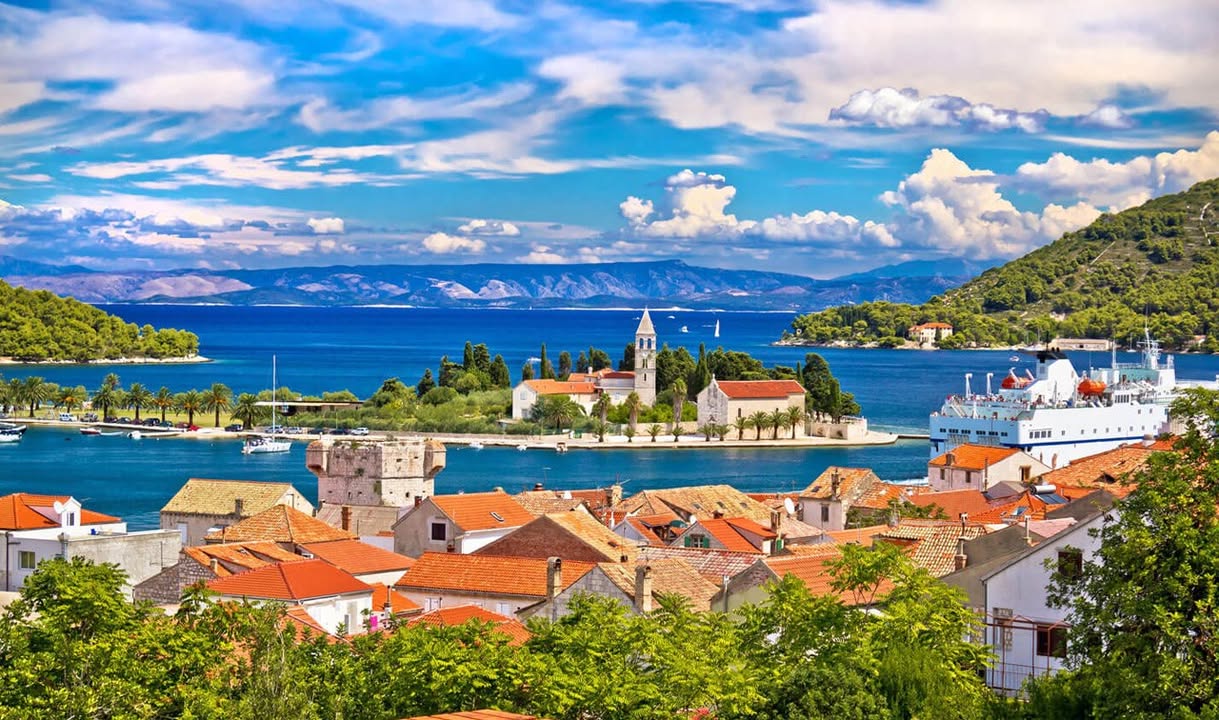
On islands such as Vis, historic fishing communities, small harbours and local agricultural traditions remain important parts of the island's identity.
Stone houses, narrow streets and waterfront promenades tell stories of generations whose livelihoods depended on the Adriatic.
While tourism has changed many coastal communities, visitors can still discover authentic local character, particularly by exploring beyond the busiest waterfront areas.
**Explore Vis**
Architecture That Tells Croatia's Story
Dalmatian architecture reflects centuries of cultural exchange.
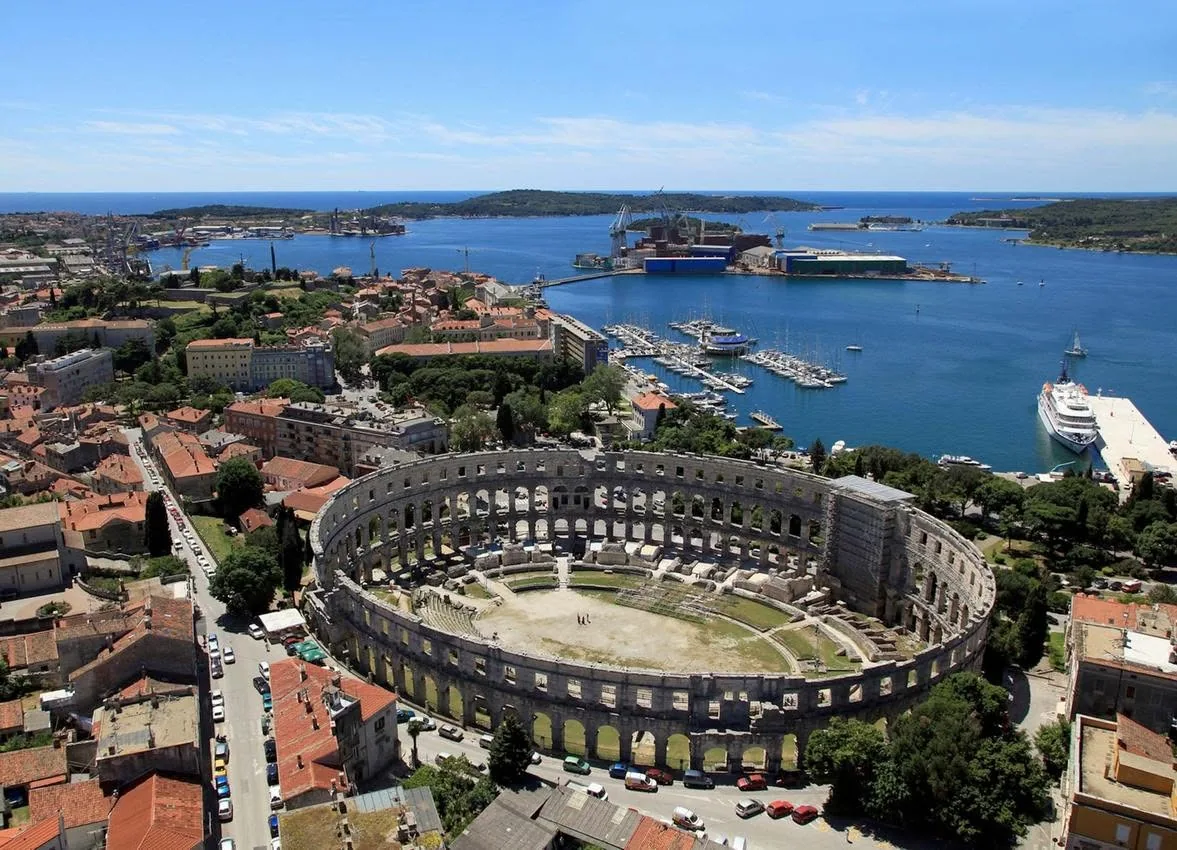
Roman, medieval and Venetian influences can be seen in churches, town squares, fortifications and traditional stone buildings throughout the region.
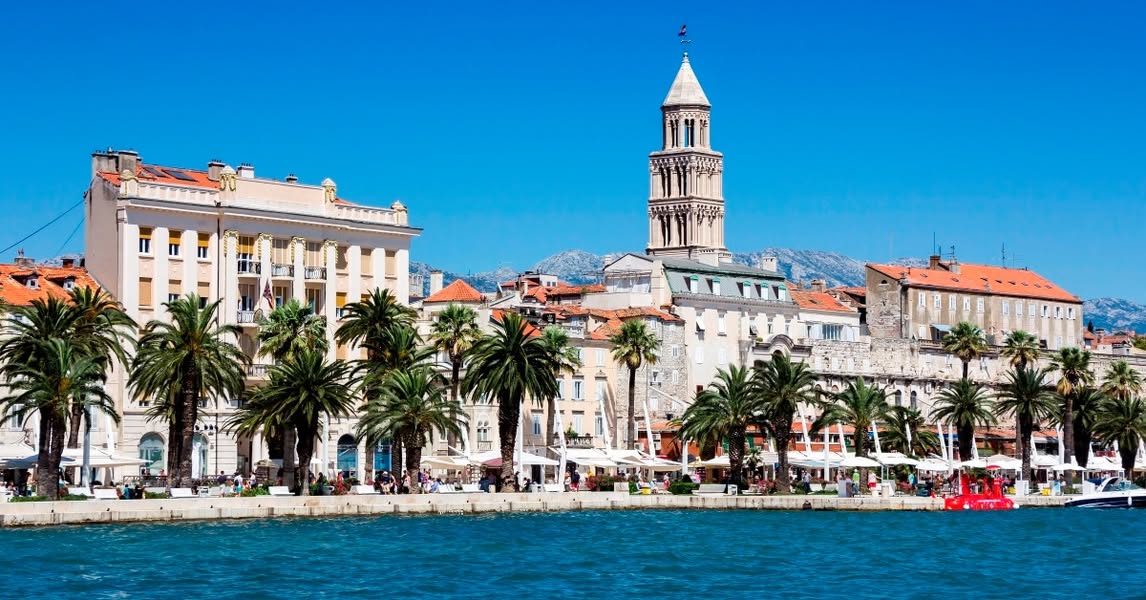
In Split, the historic centre developed around the ancient Palace of Diocletian.
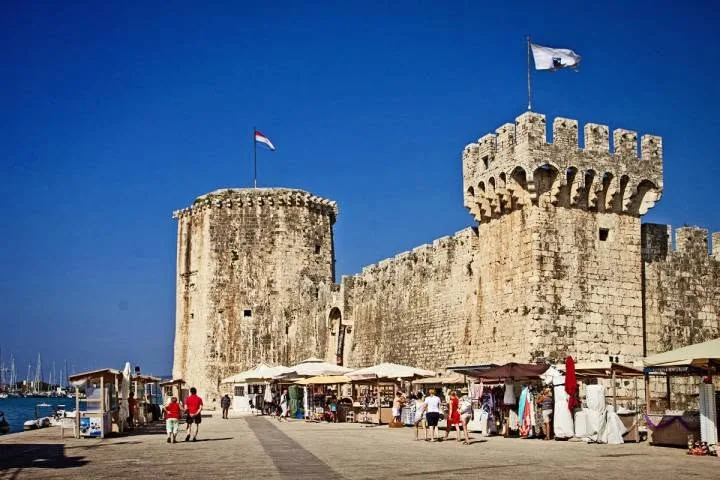
Trogir is celebrated for its well-preserved historic architecture and compact old town.
Dubrovnik's city walls and monumental buildings reveal the importance of maritime trade and the city's remarkable history.
These places are not simply monuments. Many historic centres remain living communities, where local homes, cafés, markets and everyday activities coexist with centuries-old architecture.
Local Markets and Everyday Experiences
One of the easiest ways to experience Croatian culture is to visit a local market.
Fresh fruit, vegetables, herbs, olive oil and regional products offer a glimpse into local food traditions.
Markets are also social spaces where residents exchange news, meet friends and maintain familiar daily routines.
Visitors can explore family-owned shops, sample regional products or enjoy a relaxed conversation in a small waterfront café.
These experiences are often simple, but they can provide a deeper understanding of Croatian life than sightseeing alone.
Music, Festivals and Croatian Hospitality
Music and local celebrations play an important role in communities along the coast.
*Klapa*, a traditional form of multipart singing associated with Dalmatia, is one of the region's distinctive cultural expressions.
Local festivals, religious celebrations and seasonal events bring communities together, particularly during the warmer months.
Travellers may encounter concerts, traditional performances or local festivities, depending on their destination and travel dates.
Croatian hospitality is also closely connected to food and shared experiences. A welcoming meal, local recommendation or conversation can become an unexpectedly memorable part of a holiday.
Experiencing Coastal Culture on a Small-Ship Cruise
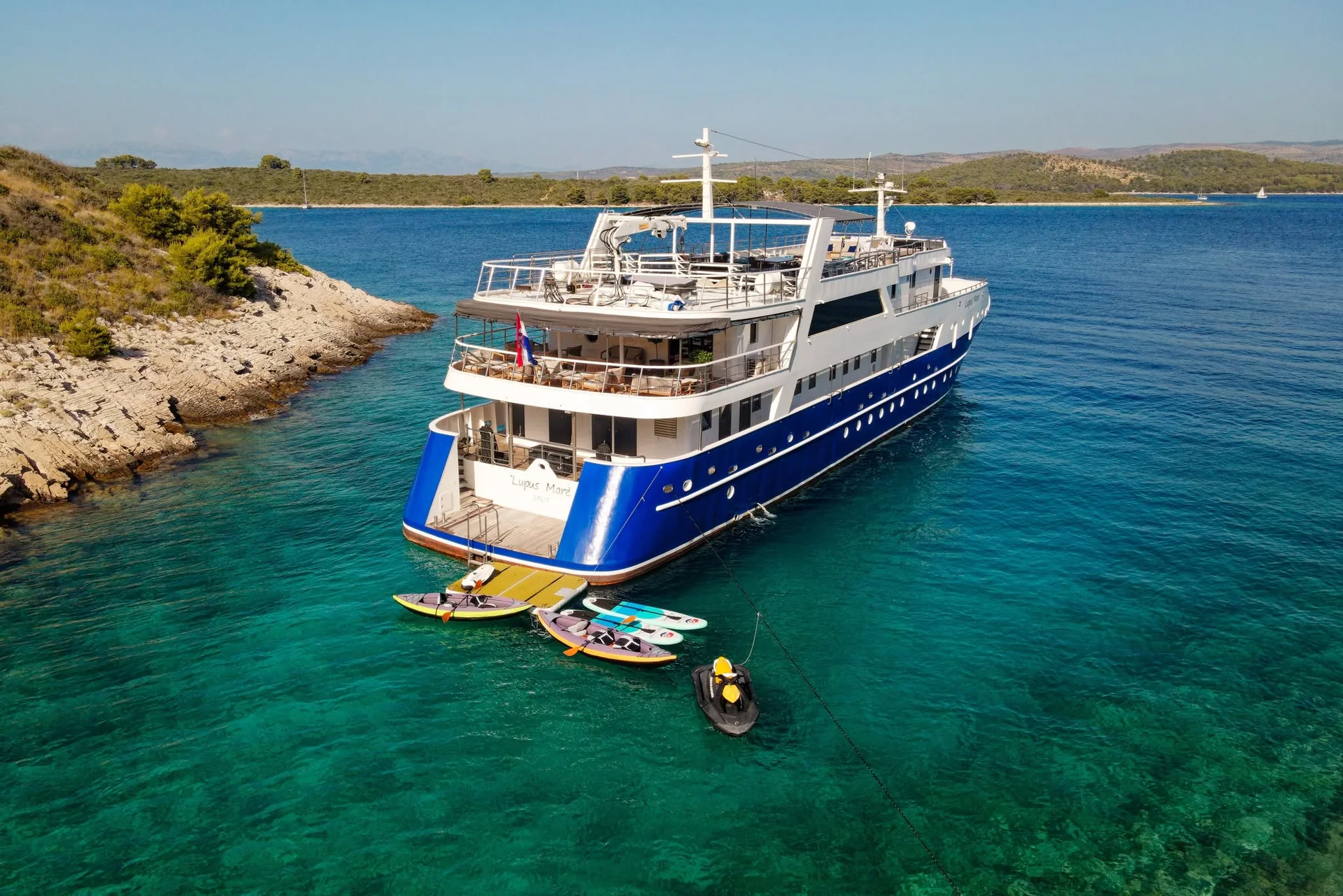
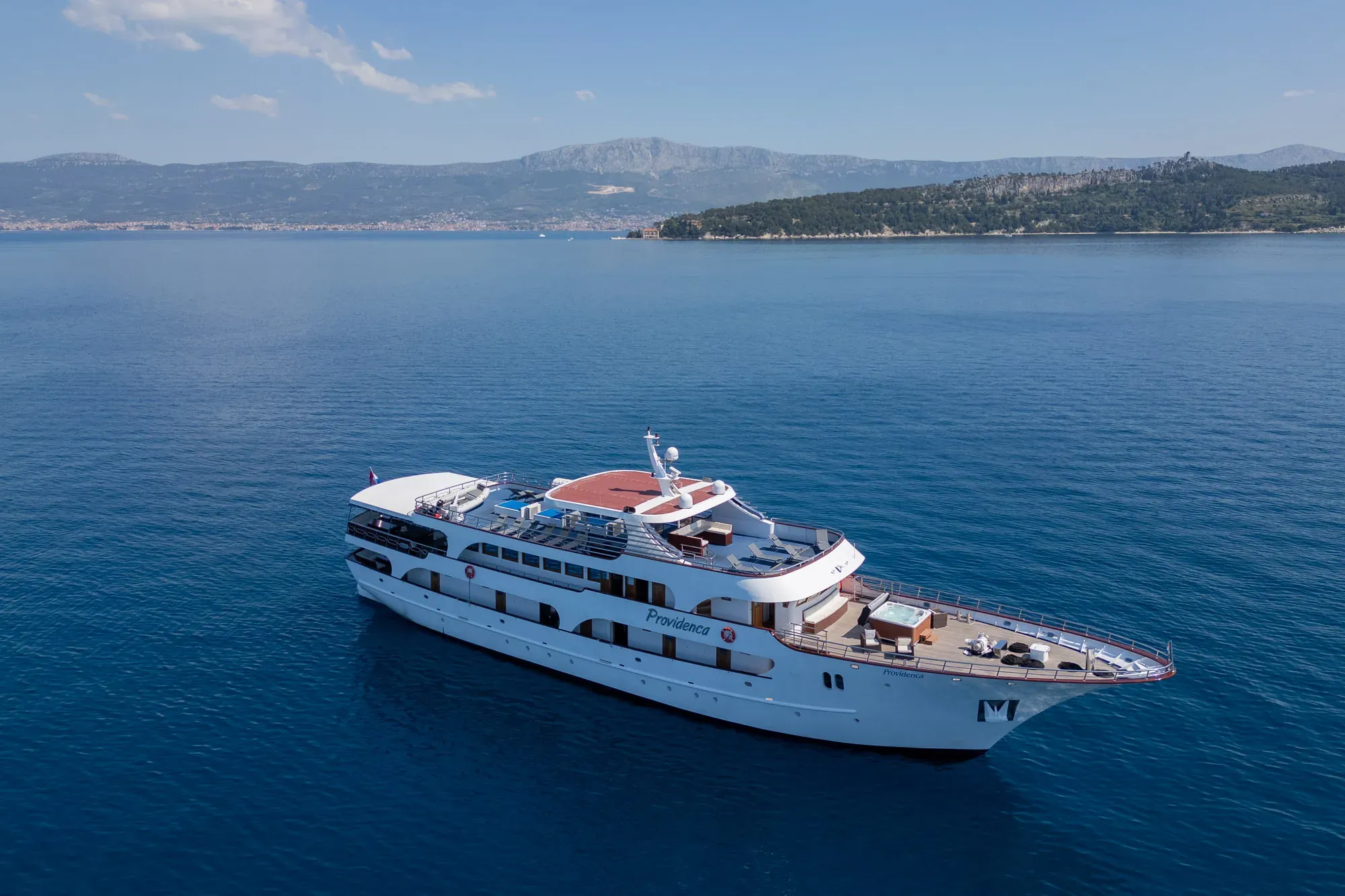
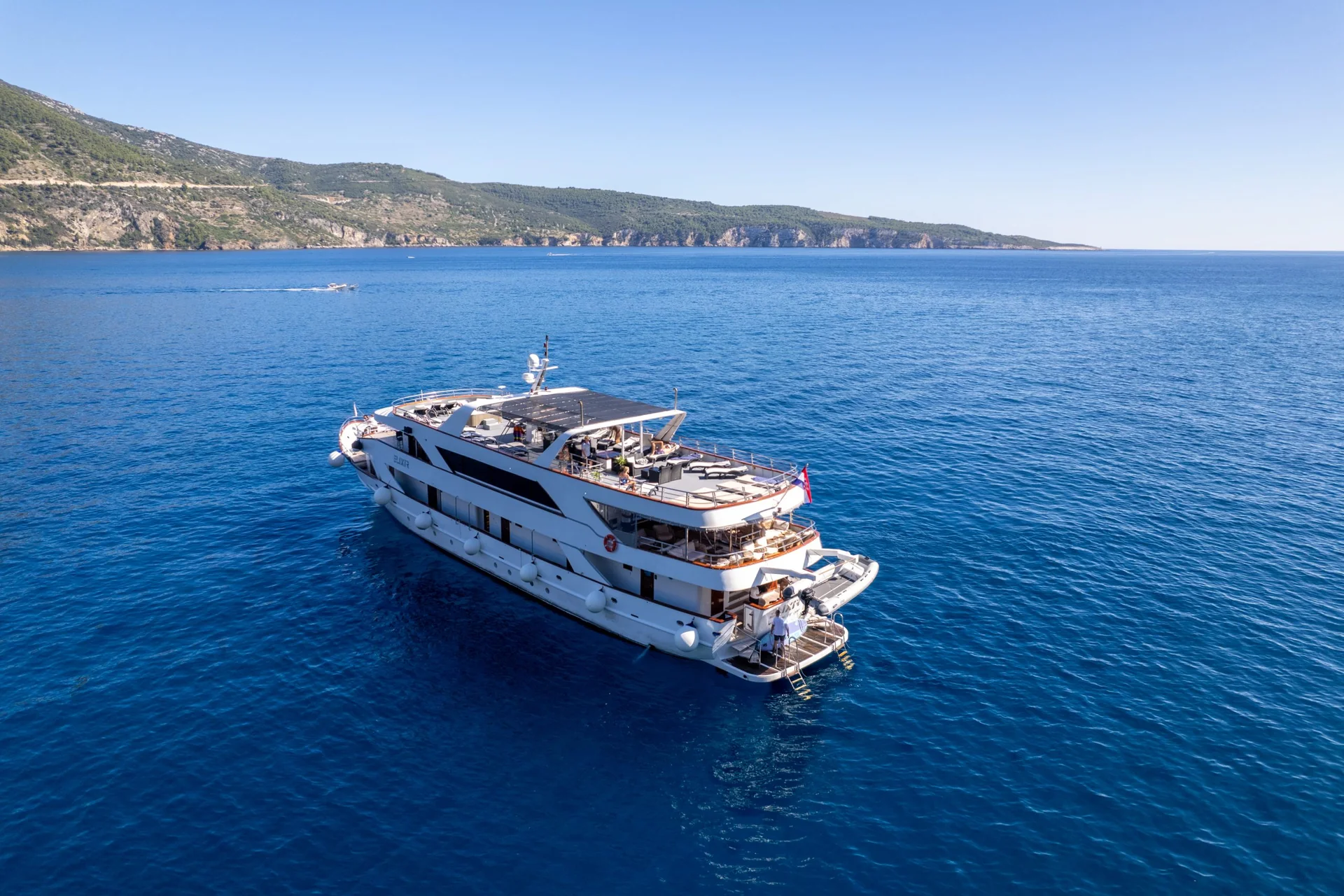
A small-ship cruise provides an opportunity to experience several different coastal communities during one journey.
Rather than focusing only on major tourist attractions, travellers can enjoy the atmosphere of island harbours, explore historic streets and discover local food traditions.
Depending on the selected program, there may be free time to visit a market, dine in a local restaurant or explore a town independently.
Each itinerary is different, and cultural activities are not necessarily included in every cruise.
Before selecting a departure, check the complete itinerary, scheduled stops and included excursions.
Discover the Authentic Side of Croatia
The beauty of Croatia is not found only in its famous landmarks or spectacular coastline.
It lives in the aroma of freshly grilled fish, the sound of conversation in a harbour café, the craftsmanship of historic stone buildings and the traditions preserved by generations of coastal families.
By experiencing these everyday moments, travellers can discover the character of Dalmatia beyond the postcards.
Whether you visit a historic town, enjoy regional cuisine or relax in a peaceful island harbour, Croatia's coastal culture adds a meaningful dimension to every Adriatic journey.